Understanding ANSI Tree Pruning Standards for Safer Trees
What ANSI Tree Pruning Means for Your Property
Tree care is more than just cutting branches. Proper pruning follows a set of guidelines that protect both the tree and the people around it. The American National Standards Institute (ANSI) publishes a standard for tree pruning, known as ANSI A300. This standard provides a uniform system for tree care professionals to follow. It covers everything from the right cut placement to safety practices. For homeowners and property managers, knowing the basics of ANSI tree pruning can help you communicate better with arborists and ensure your trees get the care they need.
When a tree is pruned correctly, it stays healthy and strong. Bad cuts can lead to decay, disease, or even branch failure. The ANSI standard helps prevent these problems by setting clear rules. For example, it specifies that pruning cuts should be made just outside the branch collar, not flush with the trunk. This small detail makes a big difference in how quickly a tree seals its wound. If you are hiring a tree service, asking if they follow ANSI A300 is a smart first step. Many reputable companies, including teams like those at Jasper Tree Removal, use these standards as a baseline for their work.
Why the ANSI Standard Exists
Before the ANSI standard existed, tree pruning was largely a matter of local tradition or individual judgment. Some methods were effective, but others caused long-term harm. The standard was developed to create a consistent, science-based approach. It draws on decades of research in arboriculture, plant biology, and safety engineering. The goal is not to restrict creativity but to reduce guesswork. When an arborist prunes according to ANSI guidelines, the tree is more likely to recover quickly and grow in a stable structure.
One key aspect of the standard is the concept of proper pruning objectives. Not every tree needs the same treatment. Some trees need clearance for buildings or power lines. Others need thinning to reduce wind resistance and prevent storm damage. The ANSI standard requires a written plan before work begins. This plan should specify what is being pruned and why. It also includes details about the pruning method, such as whether the goal is to raise the canopy, reduce the spread, or remove dead wood. Having this plan helps avoid unnecessary cuts and keeps the tree's natural shape intact.
Practical Pruning Techniques Covered by ANSI
The standard describes several pruning techniques that are considered acceptable. The most common ones include crown cleaning, crown thinning, crown raising, and crown reduction. Crown cleaning involves removing dead, dying, or diseased branches. This is the safest type of pruning because it removes hazards without changing the tree's structure. Crown thinning reduces the density of the canopy while keeping the tree's natural form. It is often done to let more light through or to reduce wind load. Crown raising removes lower branches to provide clearance for pedestrians, vehicles, or structures. Crown reduction shortens the height or spread of the tree, but it must be done carefully. The ANSI standard warns against topping, which is the practice of cutting large branches back to stubs. Topping is harmful and rarely justified. It creates weak regrowth and increases the risk of decay.
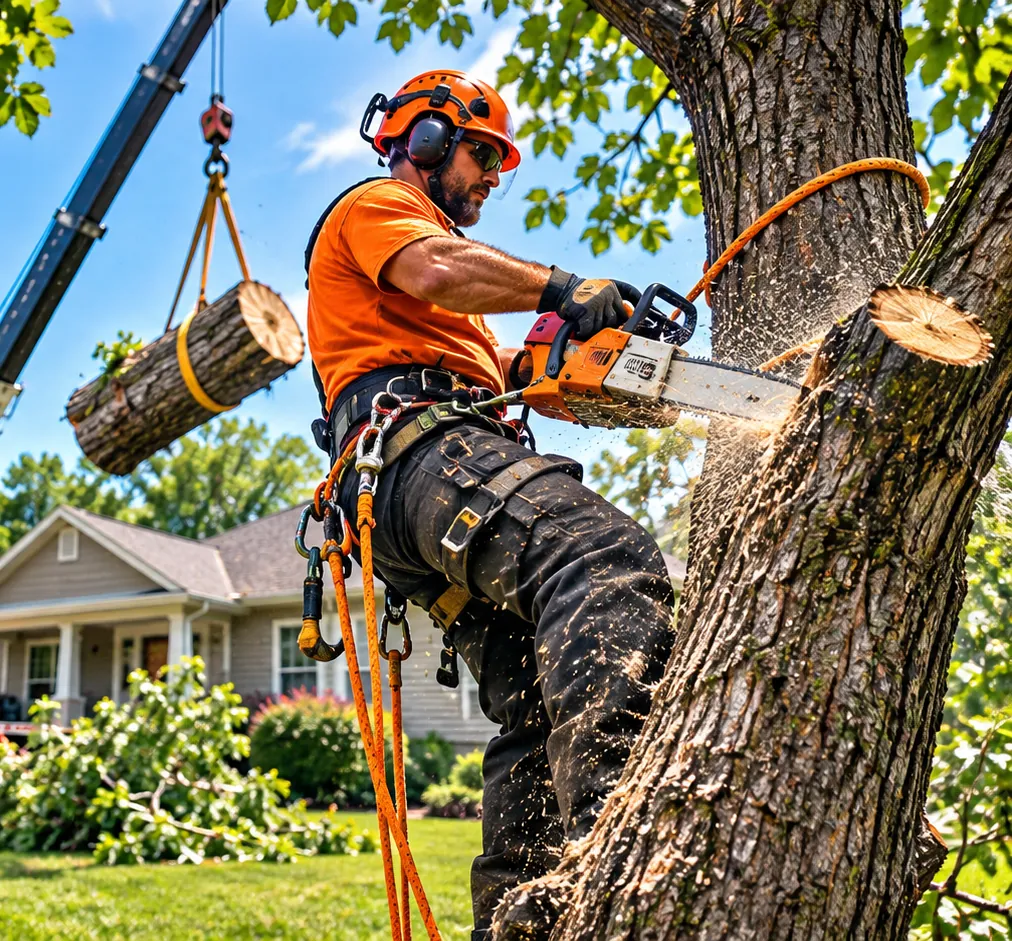
Another important rule in ANSI tree pruning is the size of cuts. The standard recommends that cuts should not be larger than necessary to achieve the objective. Large wounds take longer to seal and are more likely to become infected. For branches that are more than a few inches in diameter, the standard often calls for a three-step cut to prevent bark tearing. This technique involves making an undercut first, then a top cut, and finally a clean cut at the proper angle. These details matter because they affect how the tree responds over the long term.
How to Spot Proper Pruning
If you are watching a tree crew work, there are a few signs that they are following ANSI standards. Look for clean cuts that are smooth and not jagged. The cut should be just outside the branch collar, not flush with the trunk. If you see a stub left behind, that is a sign of poor practice. Also, check that the crew is using sharp, sanitized tools. Dull tools tear the bark, while dirty tools can spread disease from one tree to another. The ANSI standard includes a section on tool sanitation, especially when pruning trees that may have pests or pathogens.
Another indicator is the presence of a written plan. A professional arborist should be able to explain what they are doing and why. They should also be willing to discuss their qualifications. The standard itself is voluntary, but many municipalities and insurance companies now require compliance with ANSI A300 for tree work on public property. For private property, it is still the best practice. You can ask your tree service directly if they follow ANSI guidelines. A company that takes pride in its work will be happy to answer yes.
Safety and Liability Considerations
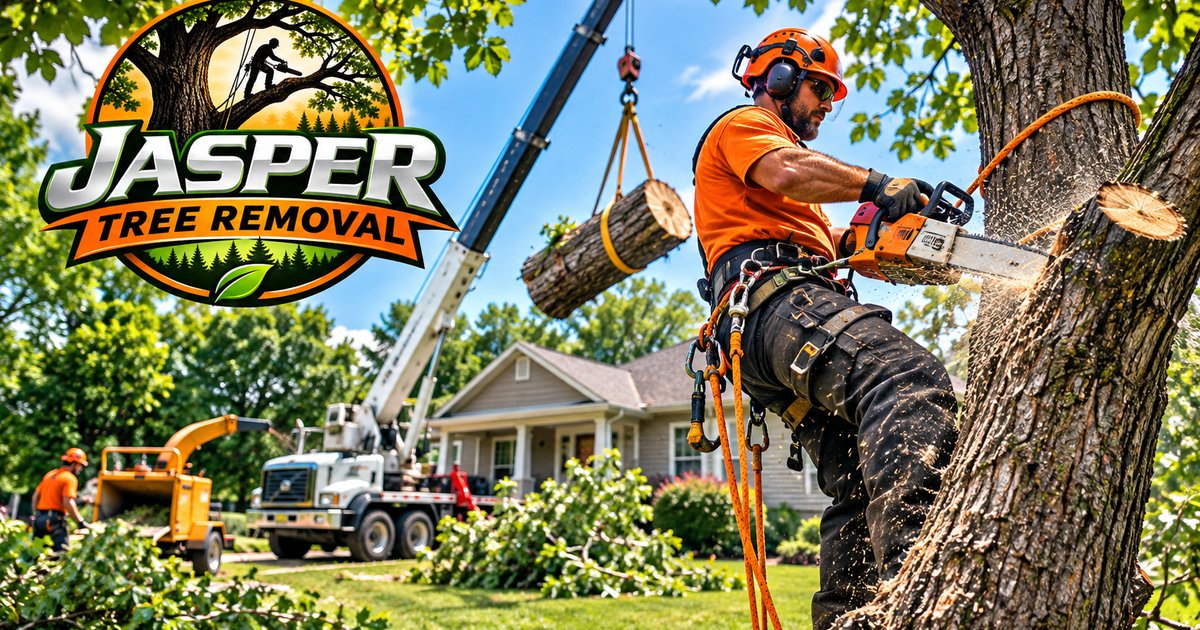
Tree pruning can be dangerous work. Branches can fall unexpectedly, and workers are often high off the ground. The ANSI standard includes safety provisions for both the crew and the public. For example, it requires that workers wear appropriate personal protective equipment, such as hard hats, eye protection, and chainsaw chaps. It also sets rules for rigging and lowering branches to prevent accidents. When a tree is near a house, a power line, or a busy street, these safety measures are critical.
For property owners, hiring a company that follows ANSI standards reduces liability. If a branch falls and damages something, the standard provides a clear benchmark for what was reasonable care. If the work was done according to the standard, it is easier to show that the company acted professionally. On the other hand, if a tree is pruned badly and later fails, the lack of adherence to the standard could be a problem. This is one reason why many homeowners choose to work with certified arborists who are trained in ANSI methods. A good resource for learning more about safe tree care is jaspertreeremoval.com, which offers detailed information on proper pruning practices for residential and light commercial properties.
When to Prune and When Not To
Timing also matters in ANSI tree pruning. The standard does not dictate a specific season for pruning, but it does recommend avoiding certain times. For instance, pruning in late spring when trees are leafing out can stress them. Pruning during the dormant season, usually late winter, is often best for most species because the tree is not actively growing and the wounds heal faster. However, there are exceptions. Some trees, like oaks, should not be pruned in early spring or early summer when insects that spread oak wilt are active. Similarly, pruning in late summer can stimulate new growth that may not harden before frost. The standard encourages arborists to consider the tree species, local climate, and the specific reason for pruning when choosing the time of year.
Sometimes the best decision is not to prune at all. If a tree is healthy and has no hazards, it may be better to leave it alone. Over-pruning can weaken a tree and make it more susceptible to pests. The ANSI standard emphasizes that pruning should have a clear purpose. If the purpose is cosmetic only, it may be worth reconsidering. A tree that is left in its natural form is often stronger than one that has been heavily shaped. This is especially true for young trees, which benefit from light, corrective pruning rather than heavy removal.
Choosing a Tree Service
When you are looking for a tree care company, ask about their training and certifications. Look for arborists who are certified by the International Society of Arboriculture (ISA) or who have completed training in ANSI A300. These credentials show that the company values ongoing education and follows industry standards. You can also ask for references or check online reviews. A reliable company will be transparent about their methods and happy to answer your questions. Companies like Jasper Tree Removal often highlight their adherence to safety and quality standards as part of their service commitment. While you should always do your own research, knowing what to look for can help you make an informed choice.
Remember that tree care is an investment in your property. A well-pruned tree adds value, improves curb appeal, and reduces risk. A poorly pruned tree can be an eyesore and a liability. By understanding the basics of ANSI tree pruning, you can be a more informed consumer and a better steward of your landscape. Whether you are dealing with a single shade tree or a whole property, the principles are the same. Good pruning starts with good knowledge. And that knowledge begins with standards that have been tested and refined over many years.
Jasper Tree Removal on social media
 Twitter
 Instagram
 YouTube